

Why RASEDI Is Becoming the Best Payment Solution in Kurdistan and Iraq

The payments landscape in Kurdistan and Iraq is changing fast. Customers are moving from cash to cards, wallets and online checkouts. Businesses are expanding beyond city borders, selling across the country and into new regions. In the middle of this transformation, one name keeps appearing more and more often: RASEDI.
RASEDI is positioning itself as a payment platform built specifically for the realities of Kurdistan and Iraq—not just copied from other markets and “localized” later. It understands local banks, regulations, popular wallets, and the day‑to‑day challenges merchants face, from small online stores to large enterprises.
Below are the core reasons RASEDI stands out as one of the best payment solutions in the region.
1. Built for local realities, not just global trends
Most global payment providers start with mature card markets, then try to adapt to places like Iraq and Kurdistan. RASEDI takes the opposite approach. It begins with local infrastructure—domestic banks, national switches, regional wallets and the way people actually pay in shops and online.
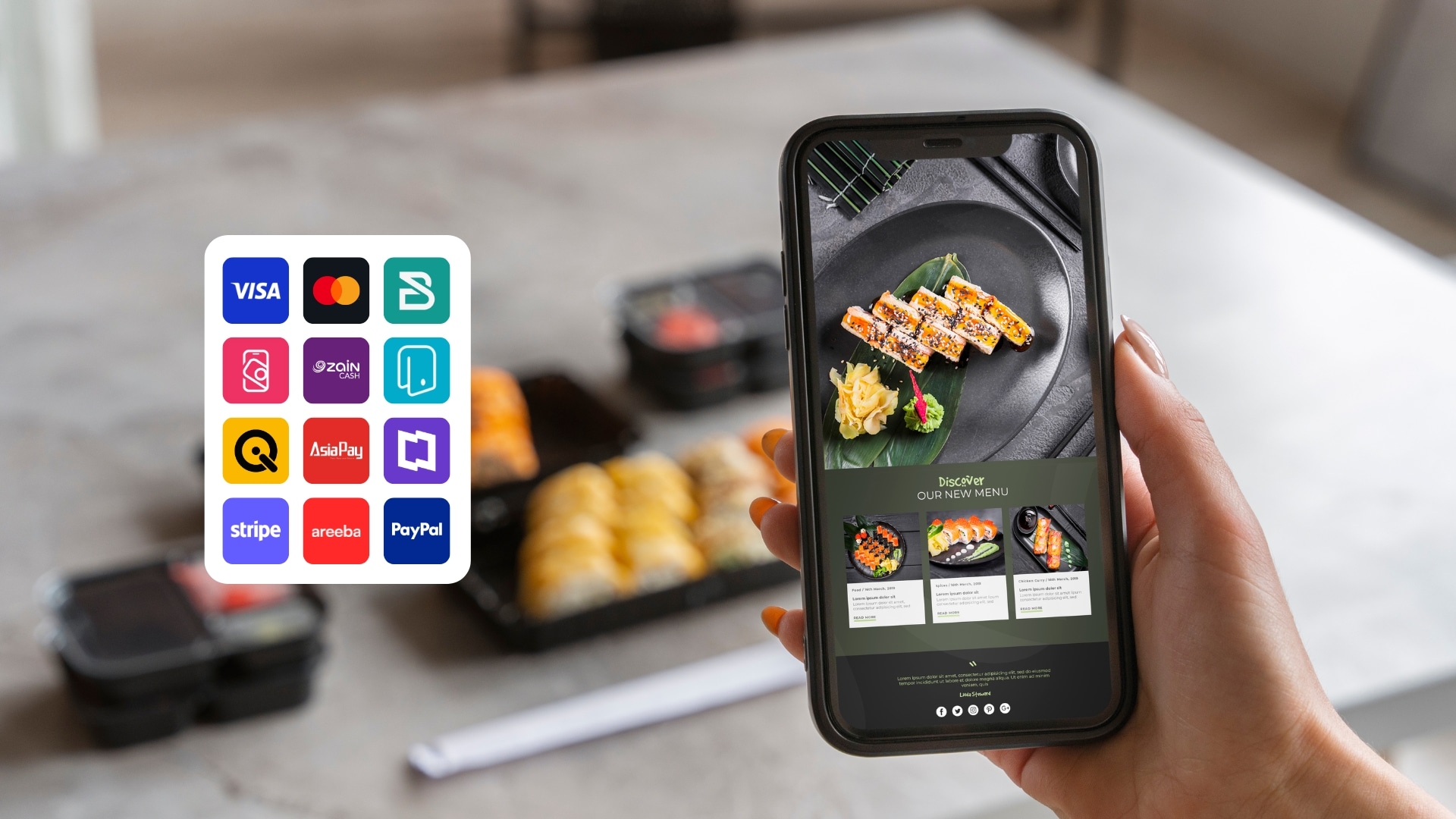
- Support for leading local players such as FIB, ZainCash, NassWallet, Qi Card, FastPay, and regional acquirers.
- Deep understanding of how local settlement cycles, banking hours and holidays affect payouts.
- Product decisions shaped by feedback from merchants in Erbil, Sulaymaniyah, Duhok, Baghdad and beyond.
This “local‑first” mindset means businesses get payment flows that simply work in their environment, rather than trying to bend foreign processes into place.
2. One integration, many payment methods
In Kurdistan and Iraq, customers often keep balances across several services: a bank card, a mobile wallet, sometimes cash or voucher‑based systems. If a merchant only offers one method, sales are lost immediately.
RASEDI aggregates global and regional payment methods behind a single integration:
- International cards (Visa, Mastercard and more) for cross‑border and high‑value purchases.
- Local wallets and bank integrations for day‑to‑day spending.
- The ability to switch methods on or off per market, per merchant, or even per product.
For developers, this matters a lot. Instead of writing and maintaining separate connections to each PSP or wallet, they plug into one platform and manage configuration from a dashboard. When a new payment method becomes popular, it can be added centrally without re‑writing code.
3. Ledger‑first architecture that makes finance teams happy
A major pain point for businesses in the region is reconciliation: matching bank statements, gateway exports and internal spreadsheets. When a company sells online, in‑store, by link and through partners, tracking where the money comes from and where it should go quickly becomes a nightmare.
RASEDI’s answer is to be ledger‑first. Every transaction—authorization, capture, refund, fee, payout—is recorded as a structured ledger entry. That brings several advantages:
- A single source of truth for all payment flows, even across multiple banks and wallets.
- Clear balances per merchant, partner, branch or marketplace seller.
- Faster month‑end closing and easier audit preparation.
For CFOs and accountants, this is often the difference between “payments we think are correct” and “payments we can actually prove.”
4. Flexible solutions for every business model
The regional economy is diverse. There are eCommerce brands, marketplaces, travel agencies, SaaS products, educational institutions, F&B chains, and thousands of SMEs selling via social media. RASEDI isn’t locked into a single use case.
Examples of how different sectors can use the platform:
- Online stores & retail: Optimized checkout with local and global methods, payment links for Instagram and WhatsApp orders.
- Marketplaces: Split payments between platform and sellers, automate commissions and payouts.
- Travel & airlines: Multi‑party settlements across airlines, agents and suppliers, with strong fraud controls for high‑risk bookings.
- Education: Tuition, transport and housing fees with installments and scholarships managed per student.
- Food & beverage: QR pay‑at‑table, delivery and pickup, unified reporting across branches and franchises.
Because all of these are built on the same core infrastructure, a business can easily grow from a simple setup (like only Payment Links) into more advanced flows without changing providers.
5. Compliance and security embedded from day one
Regulation is becoming stricter across the financial sector in Iraq and Kurdistan—covering KYC, KYB, AML, card‑scheme rules and data protection. Many merchants underestimate the effort required to stay compliant if they try to handle everything themselves.
RASEDI incorporates built‑in compliance tooling:
- Workflows for onboarding merchants and sellers with KYC/KYB controls.
- Routing and configuration aligned with central‑bank and bank‑partner requirements.
- Tokenization and encryption that keep card data away from merchant servers.
The result is a lower compliance burden for merchants. They focus on their products and customers, while RASEDI’s platform handles most of the heavy lifting in the background.
6. Designed for developers, friendly for non‑technical teams
A strong payment platform must satisfy both engineers and business users. RASEDI leans into this by offering:
- Clean APIs and SDKs for common stacks (web, mobile, backend).
- Hosted components and Payment Links for low‑code, fast launches.
- A dashboard where operations and finance teams can monitor flows, export data and change configuration without touching code.
This combination means startups can move quickly with limited resources, while larger organizations can integrate deeply into their existing architectures.
7. Local support and partnership mindset
Finally, technology alone is not enough. In a market where regulations, bank policies and customer habits are evolving, businesses need a partner that is close to the ground.
RASEDI’s edge here is:
- Teams that live and work in the region, speaking the same language as merchants and banks.
- Understanding of local timelines, expectations and constraints.
- A long‑term view: helping businesses grow from first integration all the way to regional expansion.
Instead of being “just another gateway,” RASEDI aims to be infrastructure that local digital commerce can rely on.
As Kurdistan and Iraq move deeper into digital commerce, the payment layer becomes strategic. Merchants don’t just need a way to charge cards; they need a platform that understands local methods, supports complex business models, keeps regulators satisfied and gives finance teams clean numbers.
RASEDI’s combination of local‑first design, wide payment coverage, ledger‑driven transparency, flexible products and embedded compliance makes it one of the strongest candidates for that role in the region. For businesses that want to scale confidently inside Kurdistan and Iraq—while still thinking globally—RASEDI offers not just a payment gateway, but a complete payments operating system.


Leave a Reply